Septic Tank vs. Sewer Line: What’s the Difference?
If you have ever purchased a home or considered moving to a rural area, you have probably come across the question of whether a property uses a septic system or connects to a public sewer line. For many homeowners, this distinction feels technical and confusing, but understanding it can save you thousands of dollars in unexpected repairs and help you make smarter decisions about your property.
Whether you are a first-time buyer or a longtime homeowner who has never thought much about what happens after you flush, this guide breaks it all down in plain language.
How Each System Works
At the most basic level, both septic systems and public sewer lines exist to do the same thing: remove wastewater from your home and process it safely. The key difference lies in where that processing happens and who is responsible for it.
A public sewer line is part of a shared municipal infrastructure. When wastewater leaves your home through drains, toilets, and appliances, it travels through underground pipes to a centralized treatment facility managed by your city or county. That facility filters, treats, and disposes of the water according to strict environmental regulations. As a homeowner connected to the public sewer, you pay a monthly or quarterly fee for this service, and the utility company handles the heavy lifting of maintenance and treatment.
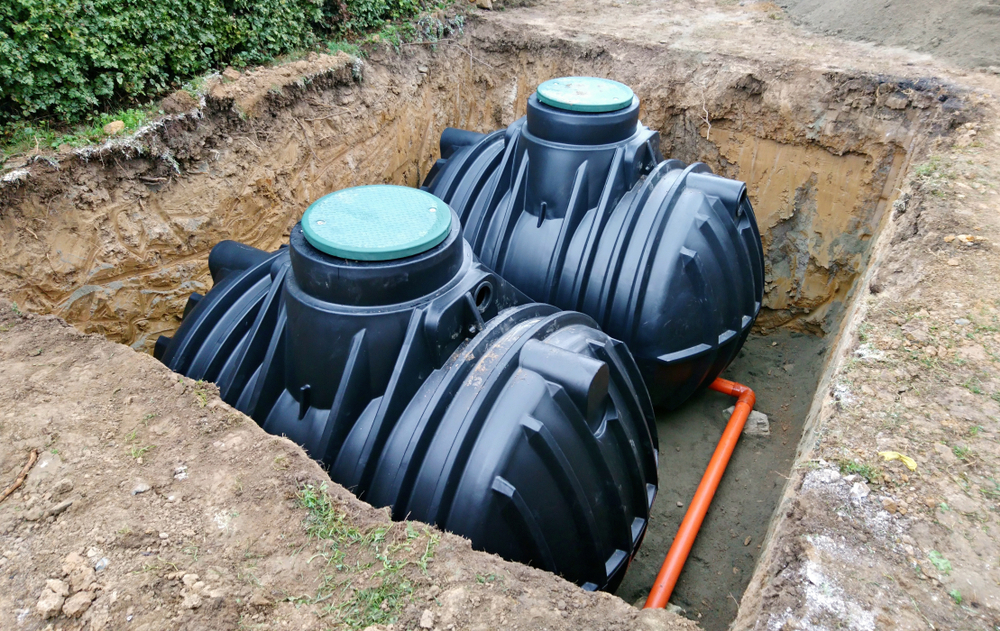
A septic system, on the other hand, is a private, self-contained wastewater treatment setup located entirely on your property. Wastewater from your home flows into a buried tank, typically made of concrete, fiberglass, or polyethylene. Inside the tank, solids settle to the bottom and form sludge, while lighter materials float to the top as scum. The liquid in the middle, called effluent, flows out of the tank and into a drain field (also called a leach field), where it slowly filters through the soil and naturally breaks down before re-entering the groundwater supply. The entire process happens underground, and when the system is working correctly, there is no odor, no visible waste, and very little that requires your attention on a day-to-day basis.
The Costs Involved
Money is often the first thing people think about when comparing these two systems, and for good reason. The financial picture looks quite different depending on which setup you have.
With a public sewer connection, your upfront costs are generally lower if the infrastructure already exists near your home. You pay a connection fee, sometimes a few thousand dollars, and then monthly utility bills. In many urban and suburban areas, sewer access is already built in, so there is no major installation to worry about. The downside is that sewer rates can increase over time as municipalities upgrade aging infrastructure, and you have no control over those costs.
Septic systems involve a larger upfront investment. Installing a new septic system can cost anywhere from $3,000 to $15,000 or more, depending on the size of your home, the type of soil on your property, and local regulations. However, once the system is installed and functioning properly, your ongoing costs are relatively modest. You will need to have the tank pumped every three to five years, which typically runs between $300 and $600. Beyond that, a well-maintained septic system can last 25 to 30 years with minimal issues.
The hidden cost to watch for with septic systems is neglect. Homeowners who skip routine pumping or ignore early warning signs can face system failures that cost tens of thousands of dollars to repair or replace. Regular maintenance is not optional; it is the price of keeping the system affordable over the long run.
Environmental Considerations
Septic systems and municipal sewer systems each carry their own environmental footprint, and the comparison is more nuanced than most people expect.
Properly maintained septic systems are actually quite environmentally friendly. The soil filtration process that occurs in the drain field naturally removes many contaminants before the water reaches the groundwater table. In rural areas where lots are large and soil conditions are good, septic systems can function as a sustainable and low-impact method of wastewater treatment.
The problems arise when septic systems fail. A cracked tank, an overloaded drain field, or a system that has simply reached the end of its life can allow untreated sewage to leach into the soil and nearby water sources. This is a serious public health risk and an environmental hazard. It is one of the reasons why regular inspections matter so much for homeowners who rely on septic systems.
Municipal sewer systems, while centrally managed and regulated, are not without environmental concerns either. Older systems in many cities are prone to overflows during heavy rain events, which can send untreated sewage into rivers and streams. The energy required to operate large treatment plants also contributes to carbon emissions. Neither system is perfect, but both, when properly maintained and managed, represent responsible approaches to handling wastewater.
What Homeowners Need to Know
If you already own a home with a septic system, there are several practical things you should keep in mind to protect your investment and avoid costly problems.
First, know where your system is located. You should have a diagram of your property that shows the tank and drain field. Avoid parking vehicles or placing heavy structures over any part of the system, as the weight can damage underground components.
Second, be mindful of what goes down your drains. Septic systems rely on a delicate balance of bacteria to break down waste. Flushing non-biodegradable items, pouring grease down the drain, or using excessive amounts of antibacterial cleaners can disrupt that balance and lead to system problems. Keep the list of what enters your drains simple: water, human waste, and toilet paper.
Third, schedule regular inspections and pumping. Most professionals recommend having your tank inspected every one to three years and pumped every three to five years, depending on household size and usage. Keeping records of these services is also a good idea, especially if you plan to sell the property someday.
For homeowners connected to a public sewer, your responsibilities are more limited, but not nonexistent. You are still responsible for the sewer lateral, which is the pipe that runs from your home to the main sewer line in the street. If that pipe becomes clogged, cracked, or infiltrated by tree roots, the repair bill falls on you. Having your lateral inspected periodically, especially in older homes, is a smart precaution.
Which System Is Right for You?
The honest answer is that in most cases, you do not get to choose. The system that serves your home is largely determined by where your property is located. Urban and suburban homes are almost always connected to municipal sewer systems because the infrastructure is already in place. Rural properties, where running sewer lines over long distances would be impractical and expensive, typically rely on septic systems.
If you are in the process of buying a home, make sure you know which system it uses and request a professional inspection before closing. For septic systems in particular, an inspection can reveal whether the tank is in good condition, whether the drain field is functioning, and whether any repairs are needed. This information is invaluable in your negotiations and helps you avoid stepping into a costly problem on day one.
Understanding the difference between these two systems is not just a matter of curiosity. It has real implications for your budget, your maintenance responsibilities, and your home’s long-term value.
Conclusion
Septic systems and public sewer lines each serve the same fundamental purpose, but they operate very differently and come with distinct responsibilities for homeowners. Knowing which system your home uses, how it works, and what it needs to function properly puts you in a much stronger position as a property owner. Whether you are managing a private septic setup or relying on municipal infrastructure, staying informed and proactive is always the right approach.
Categorised in: Septic Systems
This post was written by admin