
Holding Tank Pumping: What Every Property Owner Should Know
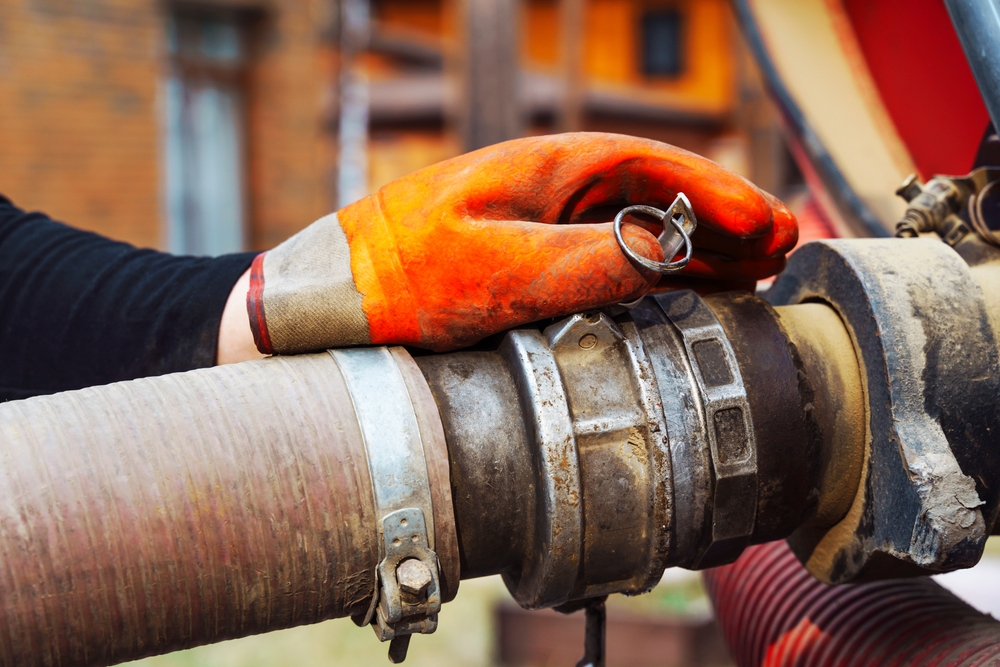
If your property relies on a holding tank instead of a traditional septic system, regular maintenance is not optional. Many homeowners in Lancaster deal with wastewater storage systems that require routine attention to prevent backups, odors, and costly property damage. Understanding how these systems work can help you avoid unexpected problems and keep your household running smoothly.
Holding tank pumping is the process of removing accumulated wastewater from a sealed storage tank before it reaches capacity. For homeowners in Lancaster, NY, regular pumping is essential because holding tanks do not treat or disperse wastewater like conventional septic systems. Instead, all wastewater remains stored until it is professionally removed.
What Lancaster Homeowners Should Know
- Holding tanks are designed to store wastewater temporarily and require scheduled pumping to function properly.
- Delaying service can lead to unpleasant odors, sewage backups, and potential environmental concerns.
- Properties with larger households often require more frequent wastewater tank services than smaller households.
- Seasonal weather in Erie County can make access and maintenance more challenging if service is postponed.
- Regular septic maintenance helps protect your property and prevents emergency pumping situations.
Why Holding Tank Maintenance Matters in Lancaster
Holding tanks are commonly found on properties where soil conditions, lot size, or local regulations make traditional septic systems impractical. Throughout Lancaster and nearby communities such as Depew, Alden, Elma, Cheektowaga, and Clarence, some homeowners depend on these systems to safely manage household wastewater.
Western New York’s seasonal weather patterns can also impact wastewater management. Heavy spring rains, snowmelt, and fluctuating groundwater conditions throughout Erie County make it especially important to ensure holding tanks are functioning properly and are not approaching capacity.
Unlike septic systems that separate and treat wastewater underground, holding tanks are sealed containers. Everything that goes down your home’s drains remains inside the tank until it is pumped out.
At Macken Services, we regularly help local homeowners understand how their wastewater systems operate and why preventive maintenance is often far less expensive than dealing with an emergency backup.
Regular holding tank pumping Lancaster NY services help ensure that wastewater is safely removed before capacity issues create larger problems.
Holding tanks store all household wastewater and require routine pumping to prevent overflow. Properties throughout Erie County that use these systems depend on scheduled maintenance to avoid backups, odors, and interruptions in daily life. Proper wastewater tank services help maintain system reliability and protect the surrounding property.
Wastewater System Realities Across Erie County
- Holding tanks do not treat wastewater. They only store it until removal.
- Household size directly affects how quickly a tank fills.
- Frequent laundry, long showers, and high water usage accelerate filling rates.
- Winter weather can make emergency service more difficult if access points become buried under snow.
- Rural properties may have different wastewater management requirements than densely developed neighborhoods.
- Local regulations may require proper documentation of pumping and disposal activities.
- Routine septic maintenance helps identify developing issues before they become emergencies.
If your property uses a holding tank, understanding its capacity and pumping schedule is critical. Missing a scheduled service appointment can quickly create avoidable problems.
Local Data and Field Observations
Holding tank maintenance schedules vary significantly based on household size, water usage habits, and tank capacity. While no universal pumping timeline exists, many property owners throughout Lancaster and surrounding Erie County communities establish recurring service schedules to avoid unexpected overflows.
From our field experience, tanks serving larger families often require more frequent pumping than tanks serving seasonal properties or smaller households. Monitoring usage patterns is one of the most effective ways to anticipate service needs.
How Holding Tank Problems Affect Local Properties
Holding tank issues can create serious disruptions for homeowners, including wastewater backups, foul odors, property contamination, and costly emergency service calls. In Lancaster and neighboring communities, delayed pumping often becomes noticeable when drains begin slowing down or unpleasant smells develop around the property.
A full holding tank can also place additional stress on plumbing fixtures inside the home. What begins as a minor maintenance oversight can quickly become a larger sanitation concern.
Expert Commentary
Holding tanks are straightforward systems, but they require consistency. One of the most common misconceptions we encounter is the belief that a holding tank functions like a septic system. It does not.
Because all wastewater remains inside the tank, pumping schedules should be based on actual usage patterns. We recommend that homeowners keep records of previous service dates and discuss any significant changes in household occupancy with their service provider.
Warning Signs Your Holding Tank Needs Pumping
Holding tanks typically show warning signs before reaching full capacity. Recognizing these symptoms early can help prevent expensive repairs and emergency situations.
Common warning signs include:
- Slow-draining sinks, tubs, or showers
- Gurgling sounds from household drains
- Sewage odors near the tank area
- Wet spots or pooling water around access covers
- Frequent toilet drainage issues
- Unusually strong odors outdoors
- Alarm activation if the system includes monitoring equipment
Ignoring these signs can eventually lead to wastewater backups and significant property damage.
When to Call a Professional
You should call a professional when your tank approaches capacity, warning signs appear, or you are unsure of your current pumping schedule. Professional service ensures wastewater is removed safely and disposed of according to applicable requirements.
Homeowners can monitor usage patterns and watch for warning signs, but pumping and disposal should always be handled by qualified wastewater professionals. In rural parts of Erie County, delaying service can increase the risk of emergency situations during periods of difficult weather.
Common Local Causes of Holding Tank Issues
Holding tank problems are most commonly caused by excessive wastewater accumulation, missed pumping appointments, and unexpected increases in household water usage. In Lancaster-area homes, several factors contribute to these challenges.
Common causes include:
- Larger household occupancy
- Increased water consumption from guests or seasonal activities
- Delayed pumping schedules
- Leaking plumbing fixtures that increase wastewater volume
- Failure to monitor tank levels
- Limited access during winter weather conditions
Each of these factors can significantly shorten the time between required pumping visits.
Preventing Holding Tank Problems
Preventing holding tank problems starts with routine pumping and responsible water use. Property owners can significantly reduce risks by maintaining a consistent service schedule and monitoring household consumption.
Helpful preventive steps include:
- Keep records of previous pumping dates.
- Fix leaking faucets and toilets promptly.
- Spread out large laundry loads when possible.
- Monitor occupancy changes that affect wastewater volume.
- Schedule wastewater tank services before capacity becomes a concern.
- Ensure tank access points remain visible and accessible year-round.
Routine septic maintenance remains one of the most effective ways to avoid costly emergencies.
Expected Results from Regular Pumping
Regular holding tank pumping helps maintain reliable wastewater storage, reduce odors, prevent backups, and extend the overall lifespan of system components. Homeowners who stay on schedule typically experience fewer emergencies and more predictable maintenance costs.
Consistent service also provides opportunities to identify developing issues before they become major repairs.
Expert Insight
Many holding tank emergencies occur not because the system failed, but because routine pumping was postponed. Establishing a recurring maintenance schedule is often the simplest and most cost-effective way to avoid unexpected wastewater problems.
Common Mistakes Property Owners Make
Several common mistakes can increase the likelihood of holding tank problems:
- Waiting until warning signs appear before scheduling service
- Assuming a holding tank operates like a septic system
- Ignoring changes in household water usage
- Failing to maintain service records
- Overlooking small plumbing leaks that increase wastewater volume
A better approach is proactive monitoring combined with scheduled professional pumping.
A Common Local Scenario
A common local scenario involves a homeowner who experiences slow drains after hosting extended family for several weeks. Increased water usage fills the holding tank faster than expected, eventually causing drainage issues and unpleasant odors.
In many cases, prompt pumping resolves the problem before more serious damage occurs. This illustrates why pumping schedules should reflect actual household usage rather than assumptions.
Related Service Solutions
Wastewater tank services help prevent backups, maintain system performance, and ensure proper wastewater management. Depending on the property’s needs, related services may include routine pumping, tank inspections, septic maintenance, and system evaluations.
These services work together to help homeowners avoid emergency situations and maintain dependable wastewater storage year-round.
Comparing Your Options
For holding tank maintenance, property owners generally choose between proactive scheduled service and reactive emergency pumping.
Scheduled maintenance offers:
- Better planning
- Reduced risk of backups
- More predictable costs
- Improved system reliability
Emergency service may become necessary when maintenance has been delayed, often resulting in greater inconvenience and urgency.
For most homeowners, routine pumping is the more practical long-term solution.
Service Areas
We proudly serve homeowners throughout Lancaster, NY, and surrounding Erie County communities. Our team regularly assists properties in Depew, Clarence, Elma, Alden, Cheektowaga, and nearby areas, providing dependable wastewater management solutions tailored to local needs.
The Cost of Ignoring Holding Tank Maintenance
Ignoring holding tank maintenance can lead to sewage backups, emergency pumping costs, unpleasant odors, and potential property damage. As wastewater continues accumulating, the likelihood of system disruption increases significantly.
Addressing maintenance needs early is almost always less disruptive than responding to an emergency after the tank has reached capacity.
FAQ
How often should a holding tank be pumped in Lancaster, NY?
Holding tank pumping frequency depends on tank size and household water usage. Some properties require service every few weeks, while others may only need pumping every few months. A professional evaluation can help determine the appropriate schedule.
What is the difference between a holding tank and a septic system?
A holding tank stores all wastewater until removal, while a septic system treats and disperses wastewater underground. Holding tanks require regular pumping because no wastewater leaves the tank naturally.
What are the signs that my holding tank is full?
Common signs include slow drains, sewage odors, gurgling plumbing fixtures, standing water near the tank area, and system alarms if monitoring equipment is installed.
Can I pump my own holding tank?
No. Holding tank pumping requires specialized equipment and proper wastewater disposal procedures. Professional wastewater tank services ensure safe and compliant removal.
Why is septic maintenance important even with a holding tank?
Septic maintenance practices such as inspections and monitoring help identify developing issues, track usage patterns, and prevent unexpected system failures.
Does winter weather affect holding tank pumping?
Yes. Snow accumulation and frozen conditions can make access more difficult. Scheduling service before winter emergencies develop is often the best approach.
Can excessive water use fill my tank faster?
Yes. Additional occupants, long showers, frequent laundry, and leaking fixtures can significantly increase wastewater accumulation rates.
Are wastewater tank services necessary if I have not noticed any problems?
Yes. Waiting for symptoms often means the tank is already nearing capacity. Preventive pumping helps avoid disruptions and emergency situations.
Macken Services understands the unique wastewater management challenges faced by homeowners throughout Lancaster and Erie County. With proper maintenance and regular pumping, holding tanks can operate reliably and efficiently for years.
Protect Your Property with Reliable Holding Tank Service
Stay ahead of backups, odors, and costly emergencies with professional wastewater tank services from Macken Services. We help homeowners maintain dependable systems through routine pumping and septic maintenance designed for local conditions.
Categorised in: Septic Tank Pumping
This post was written by admin