What Can and Can’t Go Down Your Drains if You Have a Septic System
What you put down your drains matters far more than you might think. Unlike homes connected to a municipal sewer line, septic systems rely on a delicate biological process to treat and dispose of household wastewater. When that balance gets disrupted, the consequences can be costly, messy, and damaging to your property and the environment.
Understanding what is safe and what is harmful for septic systems is one of the most important things a homeowner can do to protect their investment.
How Septic Systems Work and Why It Matters
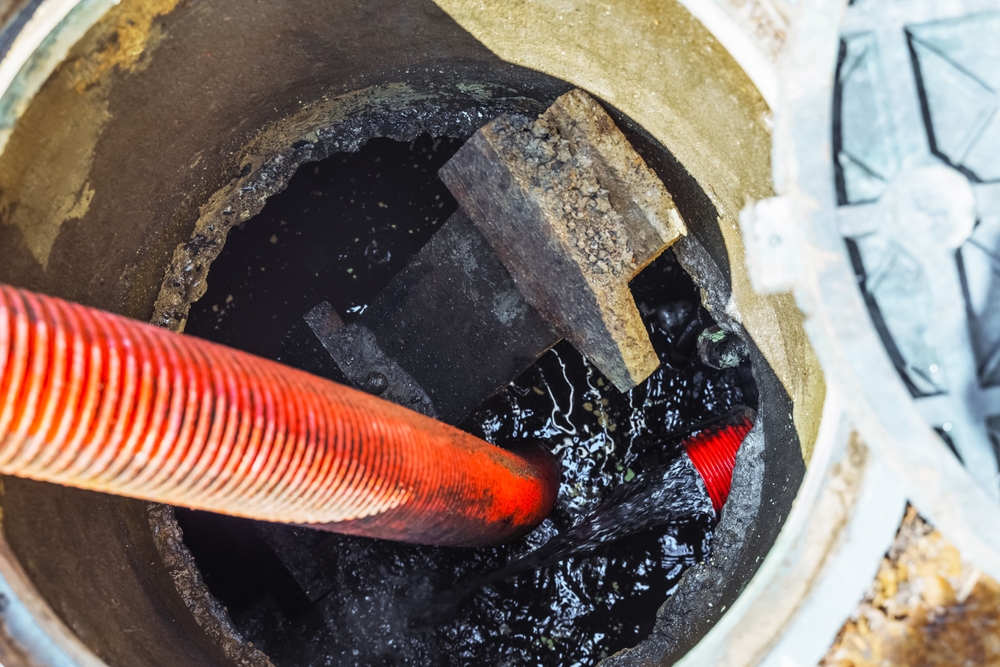
Before diving into what can and cannot go down your drains, it helps to understand the basics of how septic systems function. A conventional septic system consists of two main components: a septic tank and a drain field. Wastewater from your home flows into the tank, where solids settle to the bottom and form sludge, while lighter materials like grease float to the top as scum. The liquid layer in the middle, called effluent, then flows out into the drain field, where it is slowly absorbed into the soil and naturally filtered.
The key to a healthy septic system is the population of beneficial bacteria living inside the tank. These microorganisms break down organic waste and keep the system functioning properly. Anything that disrupts this bacterial community or introduces non-biodegradable materials can throw the entire system off balance. When that happens, homeowners face backed-up drains, foul odors, soggy drain fields, and potentially thousands of dollars in repairs.
What Is Safe to Put Down the Drain
The good news is that septic systems are designed to handle the normal byproducts of everyday household life. Human waste and toilet paper are the two things that septic systems are specifically built to process. Standard toilet paper breaks down relatively quickly in the tank and does not interfere with the bacterial activity needed to treat waste.
Water from sinks, showers, bathtubs, dishwashers, and washing machines is also generally safe, as long as you are mindful of the products you use and the volume of water you send through the system at any one time. Biodegradable soaps, shampoos, and dish detergents in moderate quantities are typically processed without issue. The bacteria in septic systems can handle these substances when they are not introduced in excessive amounts.
Cooking water, such as the water used to boil vegetables or pasta, is fine to pour down the sink as long as it does not contain large amounts of grease or fat. Similarly, small amounts of diluted cleaning products labeled as septic-safe are generally acceptable, though moderation is always the better approach.
What Should Never Go Down Your Drains
This is where septic system ownership requires the most attention. Many common household items that seem harmless can cause serious damage to septic systems over time.
Fats, oils, and grease are among the worst offenders. When poured down the drain, these substances solidify inside the pipes and accumulate in the tank. Over time, grease buildup reduces the tank’s capacity, clogs the outlet pipe, and can eventually block the drain field entirely. Even small amounts of grease poured down the sink regularly will cause problems.
Flushable wipes are another major culprit, despite what their packaging suggests. Unlike toilet paper, most wipes do not break down in the tank. They accumulate, clog pipes, and can cause pump failures in systems that have them. The same applies to paper towels, facial tissues, cotton balls, and feminine hygiene products. None of these items belong in a toilet connected to a septic system.
Medications should never be flushed down the toilet. Antibiotics in particular are harmful to septic systems because they can kill the beneficial bacteria the system depends on. Other medications can pass through the tank untreated and contaminate groundwater, posing a risk to drinking water sources and the surrounding environment.
Household chemicals present another serious threat to septic systems. Bleach, drain cleaners, paint, solvents, pesticides, and other harsh chemicals can destroy the bacterial ecosystem inside your tank. Even products marketed as drain uncloggers can cause more harm than good when used in homes with septic systems. A single large dose of a caustic chemical can wipe out the bacterial population in your tank, leaving waste untreated and backing up into your home.
Coffee grounds are deceptively harmful. They do not break down in the tank and accumulate as sludge over time, reducing the effective volume of your system and requiring more frequent pumping. Cat litter, even the kind labeled as flushable, should also never enter a septic system. It clumps when wet and can create serious blockages in pipes and inside the tank itself.
Garbage disposals deserve special mention. While not impossible to use with a septic system, they significantly increase the volume of solids entering your tank. Food scraps do not break down as efficiently as human waste, and their accumulation means your tank will need to be pumped more frequently. If you do use a disposal, composting food scraps whenever possible is a better long-term strategy.
Everyday Habits That Protect Your Septic System
Beyond avoiding harmful substances, the habits you build around water usage play a large role in keeping septic systems healthy. Overloading your system with water in a short period of time can push partially treated effluent into the drain field before it is ready, leading to what is known as hydraulic overload. Spreading out laundry loads throughout the week instead of doing them all in one day is a simple way to reduce this risk.
Using high-efficiency toilets, showerheads, and appliances also helps by reducing the total volume of water your system has to handle. Fixing leaky faucets and running toilets promptly is equally important, as even a slow leak can add a surprising amount of water to your system over time.
Choosing septic-safe products is another practical step. Many manufacturers now clearly label their products as safe for use with septic systems. Look for these labels when purchasing toilet paper, cleaning products, soaps, and detergents. Single-ply toilet paper typically breaks down faster than thicker varieties, making it a better choice for septic system households.
Having your tank professionally inspected and pumped on a regular schedule is one of the best things you can do. Most septic systems benefit from pumping every three to five years, though this varies depending on household size and usage. Staying on top of this maintenance prevents sludge from reaching levels that cause system failure.
Conclusion
Caring for septic systems does not have to be complicated, but it does require awareness and consistency. By treating your drains and toilets as part of a living, biological system rather than an endless disposal chute, you can avoid the expensive repairs and environmental issues that come with neglect. Stick to the basics: flush only human waste and toilet paper, avoid grease and harsh chemicals, and schedule routine maintenance. Your septic system will reward those habits with years of reliable, trouble-free service.
Categorised in: Septic Systems
This post was written by admin