
Can Adding a Bathroom or Bedroom Overload Your Existing Septic System?
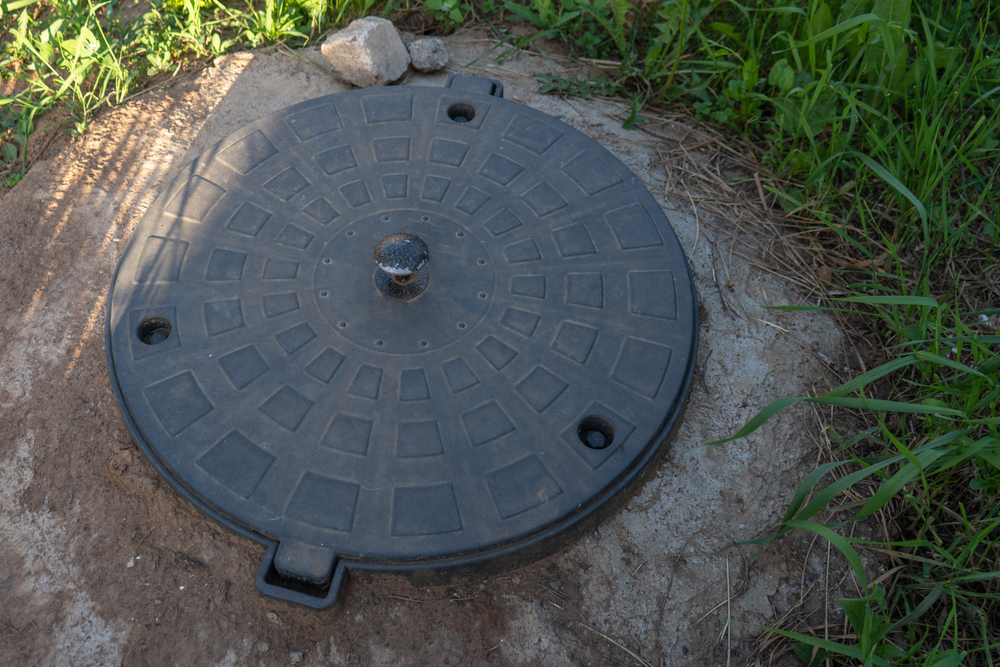
Adding a bathroom or bedroom to your home can make everyday life considerably more comfortable. Perhaps your family is growing, you’re converting your basement into a guest suite, or you’re finally building the primary bedroom and bathroom you’ve always wanted. However, if your Lancaster, NY, home relies on a septic system, there’s an important consideration that deserves attention before construction begins. Your existing septic system was designed to accommodate a particular level of wastewater production, and expanding your living space could increase demand beyond what it can reasonably handle. Evaluating your septic system early in the renovation process can help prevent unexpected construction expenses, drainage problems, and costly wastewater system failures.
Adding a bathroom or bedroom can overload your existing septic system if the renovation increases wastewater production beyond its approved design capacity. While adding a bedroom can change your home’s required septic system capacity, adding a bathroom may increase actual water usage. Both situations warrant reviewing your existing system before construction begins.
Here are several important considerations for Lancaster homeowners:
- Residential septic systems are generally sized according to the number of bedrooms in a home.
- Additional bathrooms can increase wastewater production and peak water usage.
- Your septic tank and leach field must both be capable of handling additional demand.
- Erie County’s soil conditions, seasonal rainfall, and spring snowmelt can influence septic performance.
- Professional septic inspections can help identify existing problems before your renovation begins.
At Macken Services, we’ve been helping residential and commercial property owners throughout Western New York manage their septic systems since 1968. Our septic system specialists can help you understand your existing infrastructure and prepare your property for changing household needs.
Why Adding a Bedroom Can Affect Your Septic System Capacity
Adding a bedroom can affect your septic system capacity because residential wastewater systems are typically designed around the number of bedrooms in a home rather than the number of bathrooms. Bedroom count helps estimate potential household occupancy and the amount of wastewater a property may generate.
How Residential Septic Systems Are Sized in New York
Under New York State’s residential wastewater design standards, new septic systems serving homes with modern plumbing fixtures are generally designed using a minimum wastewater flow of 110 gallons per bedroom per day.
The following table illustrates standard minimum design flows and septic tank capacities for new residential systems.
|
Number of bedrooms |
Minimum daily wastewater design flow |
Minimum septic tank capacity |
|---|---|---|
|
2 bedrooms |
220 gallons |
1,000 gallons |
|
3 bedrooms |
330 gallons |
1,000 gallons |
|
4 bedrooms |
440 gallons |
1,250 gallons |
|
5 bedrooms |
550 gallons |
1,500 gallons |
|
6 bedrooms |
660 gallons |
1,750 gallons |
Additional design considerations, including older plumbing fixtures and garbage disposals, can influence these requirements. Furthermore, septic tank size is only one consideration when determining your overall wastewater treatment capacity.
What Erie County Homeowners Should Know About Bedroom Additions
According to the Erie County Department of Health, adding a bedroom does not automatically require homeowners to replace or modify their existing septic systems at the time of the addition. However, this can become an important consideration when selling the property.
The county may only certify your home for the original number of bedrooms supported by its existing septic system. If you intend to sell your property using the increased bedroom count, a septic system upgrade or replacement may become necessary.
For homeowners in Lancaster, Elma, and Alden, reviewing septic system records before beginning construction can help identify potential complications that might otherwise arise during a future real estate transaction.
Can Adding Another Bathroom Overload Your Septic Tank?
Adding another bathroom can overload your septic system if the additional fixtures significantly increase household wastewater production beyond what your existing infrastructure can accommodate. However, installing another bathroom doesn’t necessarily mean you’ll need a larger septic tank, particularly if household occupancy remains unchanged.
Consider How the New Bathroom Will Be Used
A powder room containing a toilet and sink will generally introduce different wastewater demands than a full bathroom with a soaking tub, walk-in shower, and multiple sinks. Additionally, a bathroom used primarily by occasional guests may have considerably less impact than one serving additional permanent household members.
Common renovation projects that may increase septic system demand include:
-
Primary bedroom and bathroom additions
-
Finished basement bathrooms
-
In-law suites and multigenerational living spaces
-
Guest bedrooms with private bathrooms
-
Additional laundry rooms
-
Bathrooms with large soaking tubs or multiple shower fixtures
-
Residential additions designed to accommodate a growing family
Understanding how frequently these spaces will be used helps determine whether your septic system requires additional evaluation.
Account for Peak Household Water Usage
Your septic system must accommodate more than your average daily water consumption. Periods of concentrated water usage can introduce large quantities of wastewater into your tank within a relatively short timeframe.
For example, a household in Lancaster with several people showering simultaneously while the washing machine and dishwasher are running may place considerable short-term demand on its septic system.
Excessive wastewater entering the tank too quickly can interfere with the natural separation of solids and liquids. Consequently, additional solids may reach downstream treatment components, potentially contributing to leach field problems.
Why Your Leach Field Matters Just as Much as Your Septic Tank
Your leach field is just as important as your septic tank because it disperses wastewater into the surrounding soil for further treatment. Even if your existing tank has sufficient capacity, an undersized or deteriorating leach field may struggle to accommodate increased household wastewater production.
Understanding the Effects of Increased Wastewater on Septic Systems
When wastewater enters your septic tank, solids settle toward the bottom while lighter materials accumulate near the surface. Liquid wastewater then moves into the next stage of your treatment system, typically a leach field or another approved treatment component.
Introducing more wastewater than the system was designed to handle can contribute to several problems:
-
Reduced time for solids to settle inside the tank
-
Increased movement of suspended solids into the leach field
-
Excessive soil saturation
-
Slow household drainage
-
Sewage backups and unpleasant odors
-
Premature deterioration of wastewater treatment components
Installing a larger septic tank won’t necessarily resolve these problems if your leach field lacks sufficient capacity.
Consider Western New York’s Seasonal Weather
Throughout Erie County, spring snowmelt and periods of heavy rainfall can contribute to saturated ground conditions. Depending on your property’s soil characteristics, groundwater levels, and system design, these conditions may affect wastewater absorption.
If you’ve noticed drainage problems during particularly wet portions of the year, adding another bathroom or bedroom could intensify existing concerns. We recommend addressing these problems before introducing additional demand.
Warning Signs Your Existing Septic System May Need an Upgrade
An existing septic system may need an upgrade when it exhibits recurring drainage problems, struggles with normal household water consumption, or lacks sufficient capacity for proposed residential improvements. Identifying these warning signs before construction begins can help you avoid investing in a renovation that creates additional plumbing problems.
Watch for the following symptoms around your property:
-
Toilets and sinks that drain unusually slowly
-
Gurgling sounds coming from plumbing fixtures
-
Frequent toilet or drain backups
-
Persistent sewage odors inside or outside your home
-
Standing water or unusually soft ground near your leach field
-
Increasingly frequent septic tank pumping requirements
-
Wastewater pump alarms or recurring equipment problems
Although these symptoms don’t automatically mean your septic system is undersized, they warrant professional attention. Some problems may result from accumulated solids, damaged pipes, failing pumps, or inadequate maintenance rather than insufficient capacity.
When Is Septic System Replacement Necessary?
Septic system replacement may be appropriate when existing components have deteriorated beyond practical repair or when the system cannot accommodate anticipated wastewater requirements. However, certain properties may benefit from targeted repairs or infrastructure improvements instead of complete replacement.
Our septic system specialists can inspect existing components, identify maintenance concerns, and discuss appropriate repair or installation services. Where formal system design or capacity verification is necessary, a qualified design professional and the relevant county authorities should be involved.
How to Prepare Your Septic System Before Starting a Home Addition
Preparing your septic system before a home addition involves reviewing existing system records, evaluating current performance, identifying construction conflicts, and confirming applicable regulatory requirements. Completing these steps early allows you to incorporate potential septic expenses into your renovation budget.
Review Your Existing Septic System Records
Start by gathering any documentation available for your property’s wastewater system. Understanding its original design can provide valuable information when planning additional living space.
Useful records include:
-
Original septic system installation plans
-
Approved residential bedroom count
-
Septic tank capacity
-
Leach field location and dimensions
-
Previous inspection reports
-
Septic pumping and maintenance records
-
Documentation of previous repairs or modifications
The Erie County Department of Health maintains records for many residential wastewater systems. Lancaster homeowners can contact the department to determine whether documentation is available for their property.
Protect Your Septic System During Construction
Home additions frequently involve excavation equipment, construction vehicles, material deliveries, and changes to existing landscaping. These activities can damage septic components if contractors aren’t aware of their locations.
Avoid placing new structures, construction equipment, or heavy material stockpiles over your septic tank and leach field. Additionally, preserve appropriate access for future septic pumping, inspections, and maintenance.
If your proposed home addition conflicts with existing wastewater infrastructure, relocation or redesign may be necessary.
Schedule Professional Septic Services Before Renovating
A professional inspection can help identify existing maintenance or repair requirements before construction begins. Depending on your system’s condition and service history, septic pumping may also be appropriate.
Our family-owned business has been providing residential septic services throughout Western New York since 1968. We offer comprehensive assistance with:
-
Septic system inspections
-
Septic tank pumping and sludge removal
-
Septic tank and system repairs
-
Wastewater pump installation and repairs
-
Leach field installation
-
Sand filtration systems
-
Residential septic system replacement
-
Excavation and land preparation
We help homeowners throughout Lancaster, Depew, Clarence, Marilla, and surrounding communities address existing septic concerns and prepare their properties for necessary improvements.
Frequently Asked Questions About Septic Systems and Residential Additions
Do I need a bigger septic tank if I add a bathroom?
Not necessarily. Adding a bathroom doesn’t automatically change your required septic tank size because residential systems are generally designed around bedroom count. However, anticipated increases in wastewater production and the condition of your existing septic system should be evaluated before construction.
Can I turn my 3-bedroom Lancaster home into a 4-bedroom home without replacing the septic system?
Erie County generally does not require immediate septic system replacement solely because an additional bedroom is added. However, the county may only certify the original bedroom count during a future property sale. Contact the Department of Health to discuss your property’s specific requirements.
Can more frequent septic pumping compensate for increased household wastewater?
Regular septic pumping removes accumulated solids and supports proper system maintenance. However, pumping does not increase your system’s approved daily wastewater treatment capacity or improve an undersized leach field’s absorption capabilities. Infrastructure upgrades may still be necessary.
Do septic system upgrades require permits in Lancaster, NY?
Residential septic system repairs, replacements, and new installations may require construction permits and approval from the Erie County Department of Health. We recommend confirming applicable requirements before beginning renovations involving your property’s wastewater infrastructure.
Can water-efficient plumbing fixtures help prevent septic system overload?
Yes, water-efficient toilets, faucets, and showerheads can help reduce household wastewater production. Spreading laundry loads and other water-intensive activities throughout the week may also reduce peak demand, although these practices cannot permanently compensate for an inadequate septic system.
How much does it cost to upgrade a septic system for a home addition?
Septic upgrade costs depend on existing system conditions, required capacity, excavation requirements, soil characteristics, and the components needing replacement. We recommend arranging a professional evaluation before finalizing your renovation budget so necessary wastewater improvements can be considered.
Make Sure Your Septic System Is Ready for Your Growing Lancaster Home
Whether you’re building an extra bedroom for your growing family, creating a comfortable guest suite, or adding a bathroom you’ve wanted for years, your renovation should make life easier rather than introduce unexpected septic problems. Taking the time to understand your existing wastewater infrastructure before construction begins can help you avoid unnecessary expenses, protect your property, and prepare your home for changing household demands.
Since 1968, our family-owned team at Macken Services has helped Western New York homeowners maintain dependable septic systems through professional inspections, pumping, repairs, and installation services. We understand that every property presents different challenges, and we’re here to help you address yours. Contact us today to discuss your upcoming home addition and arrange professional septic services in Lancaster, NY.
Categorised in: Septic Systems
This post was written by admin