
What Causes a Septic Tank to Back Up?
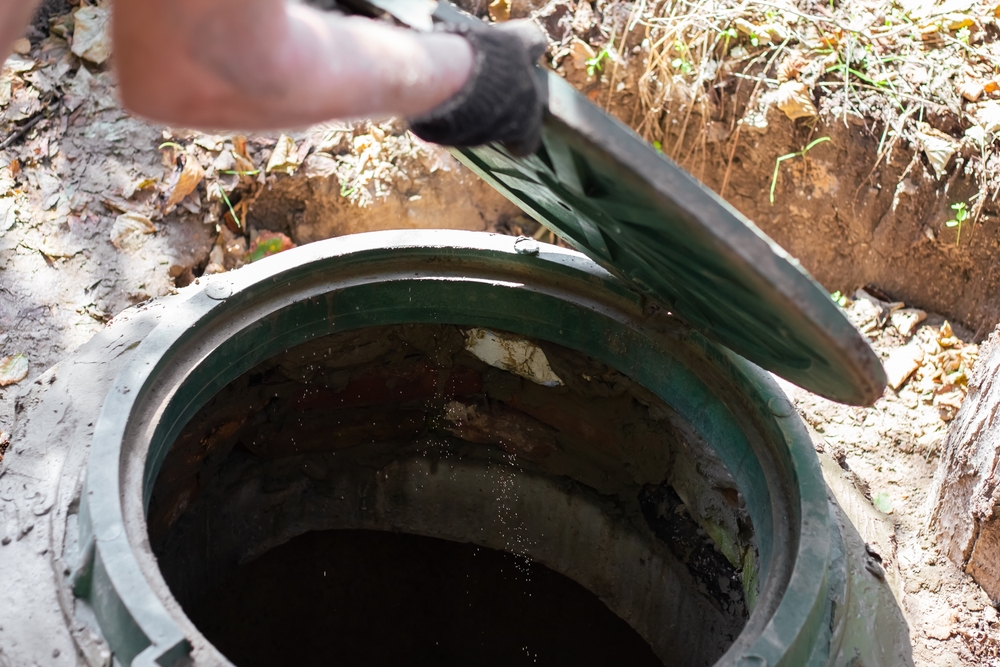
A septic backup can turn from a slow drain into a messy household problem quickly. For homeowners in Lancaster, NY and surrounding parts of Erie County, heavy precipitation, excess water entering the system, clogged lines, and overdue tank maintenance can all contribute to wastewater having nowhere to go.
Quick answer: A septic tank usually backs up because wastewater cannot move normally from the house through the tank and into the absorption area. Common causes include an overfilled tank, clogged inlet or outlet piping, excessive water use, non-flushable materials, root intrusion, damaged components, or a saturated or failing absorption area. The location of the restriction determines whether pumping, cleaning, repair, or a more extensive septic solution is needed.
What local homeowners should know
-
Slow drains throughout the house can be an early indication that wastewater is not moving through the septic system normally.
-
Erie County recommends having septic tanks pumped every three to five years, although actual service needs depend on the household and system.
-
Heavy precipitation and drainage directed toward a septic area can add water where the system needs suitable soil conditions to disperse wastewater.
-
Lancaster-area homeowners should keep roof, cellar, footing, and surface drainage away from their septic systems.
-
Sewage backing up into fixtures or appearing at the ground surface warrants prompt attention rather than repeated attempts to clear individual drains.
Why Do Septic Backups Matter in Lancaster, NY?
Septic backups matter in Lancaster because they can interrupt plumbing throughout a home and may indicate a problem extending beyond a single clogged fixture. Local properties also experience Western New York’s wet weather, snow accumulation, spring thaw, and changing ground conditions, all of which make proper drainage around an onsite wastewater system especially important.
Lancaster includes properties with different wastewater arrangements. Portions of the Town are served by Erie County Sewer District No. 4, while other properties may rely on onsite wastewater systems. Nearby Depew also has public sewer service in applicable areas.
That distinction matters when diagnosing a backup. A homeowner first needs to know whether the property has a private septic system or connects to a sanitary sewer.
Macken Services helps area property owners address septic and wastewater concerns. When we evaluate a septic backup, the goal is to identify where wastewater flow is being restricted rather than assuming every backup has the same cause.
What Does Erie County Recommend for Septic Maintenance?
Erie County recommends regular pumping, careful water use, and protecting the septic area from inappropriate drainage, vehicles, structures, and unsuitable materials. The Erie County Department of Health advises homeowners to have septic tanks pumped every three to five years and maintain records of system maintenance and repairs.
County guidance also recommends keeping surface water away from septic systems and avoiding flushing items such as wipes, diapers, paper towels, personal hygiene products, and other materials that do not belong in the system.
These practices are particularly relevant around Lancaster, Bowmansville, Depew, Alden, and other communities in eastern Erie County where seasonal precipitation and snowmelt can increase the amount of water moving across a property.
How Can a Septic Backup Affect Your Home?
A septic backup can affect multiple drains, create unsanitary conditions, restrict normal water use, and potentially contribute to property damage. The longer wastewater has nowhere to go, the more disruptive the problem can become for a Lancaster household.
A backup may prevent normal use of toilets, showers, sinks, and laundry equipment. If sewage reaches a basement or finished living area, cleanup becomes an additional concern.
A backup can also reveal a larger septic issue. Pumping an overfilled tank may solve one situation, while a damaged pipe, blocked outlet, or failing absorption area may require a different response.
What Are the Warning Signs of a Septic Backup?
Common septic backup warning signs include multiple slow drains, gurgling plumbing, sewage odors, wastewater returning through fixtures, and unusually wet conditions near the septic area. Problems affecting several fixtures deserve particular attention because the restriction may be farther downstream than an ordinary sink or shower clog.
Watch for:
-
Several sinks, tubs, or toilets draining slowly at the same time.
-
Toilets that gurgle when another fixture is used.
-
Sewage odors around indoor drains or the septic area.
-
Wastewater backing up through a basement drain, tub, or toilet.
-
Wet, soggy, or unusually saturated ground around the system.
-
Plumbing problems that return shortly after a drain has been cleared.
-
A septic tank requiring pumping much more frequently than expected.
When Should You Call a Septic Professional?
Call a septic professional when multiple fixtures are affected, sewage is backing into the home, the tank may be overdue for pumping, or problems continue after a basic plumbing clog has been ruled out. Wastewater reaching indoor spaces or the ground surface should be treated as more than a routine slow-drain problem.
A homeowner can safely check whether one fixture is clogged and reduce water use while waiting for service. Avoid opening a septic tank or attempting underground repairs without the proper knowledge and equipment.
Erie County requires permits for certain septic repairs and replacements. If an onsite wastewater system is failing, the Erie County Department of Health may need to assess the system and determine applicable repair or replacement requirements.
What Commonly Causes Septic Tanks to Back Up?
The most common causes of septic backups are excess solids, clogged piping, inappropriate materials, excessive water entering the system, damaged components, and problems with the absorption area. Determining which one is responsible requires looking at the complete path wastewater takes from the house to the soil.
1. An Overfilled Septic Tank
Solids accumulate inside a septic tank over time. Without periodic pumping, there is less room for the tank to perform its intended function, and solids can move where they should not.
2. Clogged Household or Septic Piping
Grease, wipes, paper products, and other debris can restrict wastewater flow. Erie County specifically advises residents to keep non-flushable materials out of wastewater systems.
3. Too Much Water at Once
Large amounts of household wastewater can place additional demand on the system. Leaking plumbing fixtures can also contribute unnecessary flow day after day.
4. Surface Water Around the Septic Area
Roof drainage, footing drains, and surface runoff should not be directed into the septic system. This becomes especially relevant during Western New York snowmelt and periods of persistent rain.
5. Tree or Shrub Roots
Roots can interfere with underground piping and absorption components. Erie County recommends grass rather than trees and shrubs over septic system areas.
6. Damaged Components
Broken pipes, damaged distribution components, or other physical failures can prevent wastewater from traveling through the system correctly.
7. Absorption Area Problems
If wastewater cannot disperse adequately into the soil, it can eventually cause problems upstream. Persistent saturation, surfacing wastewater, or unusually frequent pumping needs can indicate that the issue extends beyond the tank itself.
How Can Lancaster Homeowners Help Prevent Septic Backups?
Lancaster homeowners can reduce backup risks by pumping the tank as recommended, limiting inappropriate materials, conserving water, protecting the absorption area, and directing surface drainage elsewhere. Preventive habits are especially useful before Western New York’s wetter seasons and spring snowmelt.
Keep maintenance records so you know when the tank was last pumped. Fix leaking faucets and toilets, spread high-water-use activities throughout the week when practical, and keep vehicles and heavy equipment away from septic components.
Only flush toilet paper and normal household wastewater. Avoid relying on septic additives as a substitute for maintenance. Erie County does not recommend septic tank additives for normal household system operation.
What Results Can You Expect After Septic Service?
The expected result depends on whether the backup comes from an overfilled tank, obstruction, damaged component, or failing absorption area. A straightforward maintenance issue may be corrected by pumping or clearing a restriction, while structural or soil-related problems can require further inspection and repair.
A proper diagnosis should clarify why wastewater stopped flowing and what action addresses that cause. If repair or replacement is necessary, local permitting and Erie County requirements may also affect the next steps.
What Mistakes Make Septic Backups Worse?
The biggest mistakes are continuing heavy water use, treating every backup as a simple drain clog, flushing unsuitable materials, and postponing investigation when the problem repeatedly returns.
Mistake: Continuing laundry, showers, and other heavy water use during a backup.
Consequence: More wastewater enters a system that may already be unable to accept it.
Better approach: Reduce water use until the cause is identified.
Mistake: Using harsh chemical drain cleaners repeatedly.
Consequence: The treatment may not address a septic-system restriction and can introduce unnecessary chemicals into the system.
Better approach: Determine whether the issue affects one fixture or the entire wastewater system.
Mistake: Driving over the septic area.
Consequence: Heavy loads can damage underground components or affect the soil used for wastewater dispersal.
Better approach: Keep vehicles and heavy equipment away from known septic components.
What Is a Common Lancaster Septic Backup Scenario?
A common Lancaster-area scenario is a household noticing several drains slowing down around the same time, particularly when the septic tank has not been serviced recently or the property has experienced very wet conditions. This is an illustrative local scenario, not a Macken Services customer case study.
The homeowner may initially suspect an individual drain clog. Once toilets, tubs, or basement drains begin reacting together, the pattern suggests that the problem could be farther along the wastewater path.
The appropriate next step is to identify whether the tank needs pumping, a line is obstructed, or another system component is preventing normal flow.
What Services Can Resolve a Septic Backup?
Septic pumping, system inspection, blockage diagnosis, and appropriate repair services can address different causes of a backup. The correct solution depends on what is restricting wastewater flow, so identifying the cause should come before assuming that pumping alone will solve every problem.
Our approach is to help determine what the system needs and which service is appropriate for the condition found.
Should You Try DIY Septic Work or Call a Professional?
Simple household drain checks can be reasonable for one affected fixture, but widespread backups and septic-system problems generally require professional evaluation. Septic tanks, buried lines, wastewater, and underground components introduce hazards and repair considerations that go beyond ordinary drain maintenance.
If one sink is slow while every other fixture works normally, a localized clog may be responsible. If toilets, showers, basement drains, and other fixtures are affected together, the problem is more likely to involve a main line or wastewater system.
Professional service also becomes important when a repair could fall under Erie County permitting requirements.
Where Does Macken Services Provide Septic Help?
We serve Lancaster-area property owners who need help addressing septic and wastewater problems. Lancaster sits near communities including Depew, Bowmansville, Alden, Cheektowaga, and Clarence in the eastern portion of Erie County.
What Can Happen If You Ignore a Septic Backup?
Ignoring a septic backup can lead to worsening drainage problems, loss of normal plumbing use, sewage entering living spaces, or discovery of more extensive system trouble later. Waiting is particularly risky when wastewater is already surfacing or returning through fixtures.
Repeated pumping without identifying why a system fills unusually quickly can also postpone diagnosis of a larger problem.
Frequently Asked Questions About Septic Backups in Lancaster, NY
How often should a septic tank be pumped in Lancaster, NY?
Erie County recommends pumping a septic tank every three to five years. The appropriate timing for an individual Lancaster household can vary with tank capacity, household usage, and system conditions. Keeping a record of pumping dates makes it easier to recognize when routine maintenance may be due.
Can heavy rain cause septic problems in Lancaster?
Heavy rain can contribute to septic problems when excess water saturates the area responsible for accepting wastewater or when property drainage is directed toward the system. Lancaster homeowners should keep roof, cellar, footing, and surface drainage away from septic components, particularly during wet periods and spring snowmelt.
Why are several drains backing up at once?
Several drains backing up at once can indicate a restriction in a main wastewater line or septic system rather than separate fixture clogs. If toilets, tubs, and basement drains throughout a Lancaster home are all affected, reducing water use and arranging an evaluation is safer than repeatedly treating individual drains.
Can wipes cause a septic tank backup?
Wipes and other non-flushable materials can contribute to wastewater blockages and should not be flushed. Erie County advises residents to keep items such as wipes, paper towels, diapers, tissues, and personal hygiene products out of septic systems. Toilet paper is the appropriate paper product for flushing.
What should I do if sewage backs up into my Lancaster basement?
Stop unnecessary water use and arrange for the source of the backup to be identified promptly. First determine whether the property uses a septic system or public sewer. Portions of Lancaster are served by Erie County Sewer District No. 4, so the responsible system can affect whom you need to contact.
Does pumping always fix a septic backup?
No, pumping does not fix every septic backup because the cause may be a clogged pipe, damaged component, root intrusion, or absorption-area failure. Pumping can resolve an overfilled-tank issue, but recurring symptoms after pumping suggest that the rest of the system should be evaluated.
Can tree roots cause septic trouble in Erie County?
Yes, roots can interfere with septic piping and absorption components. Erie County recommends keeping the septic area planted with grass and avoiding trees and shrubs over system components. Homeowners should also avoid constructing patios, pools, or other structures over the septic area.
Do septic repairs in Lancaster require a permit?
Certain septic repairs and replacements in Lancaster are subject to Erie County Department of Health requirements. The County directs property owners with failing onsite wastewater systems through an application and assessment process. Before performing significant underground septic work, confirm which requirements apply to the specific repair.
Get Your Lancaster Septic System Flowing Properly Again
A septic backup is easier to address when you identify the actual cause instead of repeatedly treating the symptoms. We can help Lancaster-area property owners determine the appropriate next step for a septic or wastewater problem.
Categorised in: Septic Tank Pumping
This post was written by admin