
How Often Should You Pump Your Septic Tank? (Homeowner’s Guide)
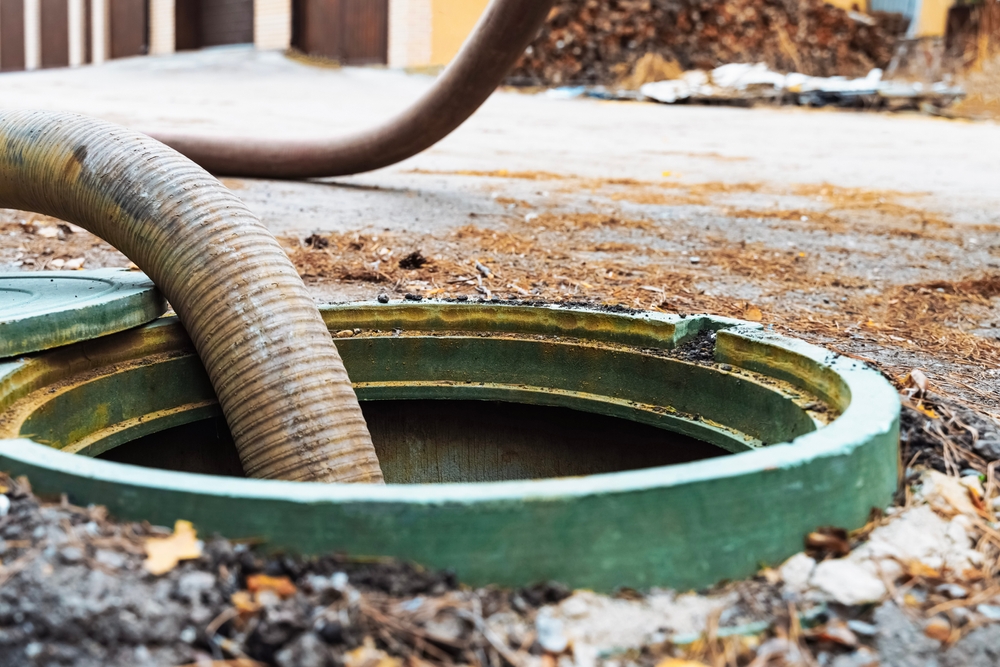
Maintaining a septic tank is one of the most important responsibilities of homeownership, yet many people overlook this critical task until a problem arises. Understanding how often you should pump your septic tank can save you thousands of dollars in repairs and prevent costly environmental damage. This comprehensive guide will help you determine the right pumping schedule for your home and explain why regular septic tank services are essential for your property’s health and longevity.
Understanding Your Septic System
Before discussing pumping frequency, it’s important to understand how your septic system works. A septic tank is an underground chamber that collects and treats wastewater from your home. As waste enters the tank, solid materials sink to the bottom, forming sludge, while lighter materials, such as oils and grease, float to the top and create a scum layer. The liquid waste in the middle, called effluent, flows into the drain field where soil naturally filters and treats it further. Without regular maintenance and septic tank services, sludge and scum accumulate over time, reducing the tank’s capacity and potentially causing system failure.
Recommended Pumping Frequency
The frequency of septic tank pumping depends on several factors, but the general rule of thumb is that most households should pump their tanks every three to five years. However, this timeframe can vary significantly based on tank size, household size, and water usage patterns. The Environmental Protection Agency recommends that septic tank services include pumping at least once every three to five years for a typical family. If you have a smaller tank or a larger household, you may need to pump more frequently. Conversely, if you live alone or use very little water, you might be able to extend the time between pumpings.
Your septic tank’s size is a major determining factor in how often it needs pumping. A standard septic tank for a three-bedroom home typically holds between 1,000 and 1,500 gallons. With this capacity, a family of four using average amounts of water should pump every three to five years. However, a tank serving a six-person household might need pumping every two to three years. Professional septic tank services can help you calculate the ideal schedule based on your specific tank size and household composition.
Factors That Affect Pumping Schedule
Several variables can influence how frequently you need septic tank services and pumping. Water usage is one of the most significant factors. Households that use excessive amounts of water, such as those with multiple bathrooms, frequent laundry, or water-intensive appliances, accumulate sludge more quickly. A family with teenagers or frequent houseguests will generate more waste than a household of one or two people. Even the number of toilets and showers in your home impacts how fast your septic tank fills.
Household habits also play a crucial role in septic system health. Flushing non-biodegradable items, such as wipes, feminine hygiene products, or paper towels, can cause serious damage and may require more frequent septic tank services. Using excessive amounts of chemical cleaners, antibacterial soaps, and harsh drain cleaners can kill beneficial bacteria in your tank, disrupting the natural treatment process. These habits accelerate sludge accumulation and reduce the effectiveness of your system. Additionally, the age of your system matters; older tanks may need more frequent pumping than newer, more efficient models.
Warning Signs You Need Pumping
Beyond following a regular schedule, you should watch for warning signs that indicate your septic tank needs immediate attention. If you notice slow drainage from multiple fixtures in your home, foul odors coming from drains or yard areas, or soggy patches in your lawn, these are red flags that your tank may be full. Sewage backing up into your home is a serious emergency that requires immediate septic tank services. These warning signs suggest that solids have accumulated to the point where they’re entering your drain field, which can cause significant and expensive damage.
Lush, unusually green patches in your yard over the septic tank area might seem positive, but they actually indicate that your system is failing. The excess nutrients from full or leaking tanks fertilize the grass, creating these patches. If your septic tank is located near a well or water source, a failing system poses health risks to you and your community. Don’t wait for these warning signs to appear; regular preventive septic tank services are far less expensive than emergency repairs or system replacement.
Maximizing Your Septic System’s Lifespan
Proper maintenance extends the time between pumping sessions and keeps your septic tank functioning efficiently. Beyond regular pumping, there are several steps you can take. Limit water usage by fixing leaky toilets and faucets, installing low-flow fixtures, and spreading out laundry loads throughout the week. Be mindful of what goes down your drains; avoid flushing anything except human waste and toilet paper, and minimize the use of harsh chemicals. Professional septic tank services should include inspections to catch problems early before they become expensive.
Consider scheduling inspections every year or two, even if you don’t pump annually. Inspections allow professionals to assess sludge levels and determine when pumping is actually necessary, rather than operating on a fixed schedule. Some advanced systems include alarms that alert you when the tank reaches capacity. Installing a filter in your septic tank can also reduce the amount of debris entering the drain field, potentially extending the time between pumpings and protecting your system’s longevity.
Working with Professional Septic Tank Services
When you need septic tank services, choosing a licensed and experienced professional is essential. Septic tank services providers can assess your specific situation, recommend an appropriate pumping schedule, and ensure that your system operates safely. A qualified technician will pump out accumulated sludge and scum, clean the tank, inspect it for damage, and verify that all components are functioning properly. They can also provide advice on maintaining your system and preventing future problems.
Keeping records of all septic tank services, repairs, and inspections is important for maintaining your system and documenting its history for future owners if you sell your home. Many states require that septic systems be inspected and certified before property transfer. Proper documentation demonstrates that you’ve maintained the system responsibly, which can affect your home’s resale value and your liability.
Conclusion
Regular pumping is fundamental to septic tank longevity and home health. Most households need professional septic tank services every three to five years, though your specific needs depend on tank size, household size, and water usage. By understanding these factors, watching for warning signs, and working with qualified professionals, you can keep your septic system functioning reliably and avoid expensive emergencies. Invest in proper maintenance today to protect your home’s value and your family’s well-being for years to come.
Categorised in: Septic Services
This post was written by admin